Manufacturing in Australian Agriculture Since 1992

Where the Lab
meets the Land

Manufacturing science-led products for Australian growers since 1992. Better inputs, healthier land, stronger margins.

Est. 1992
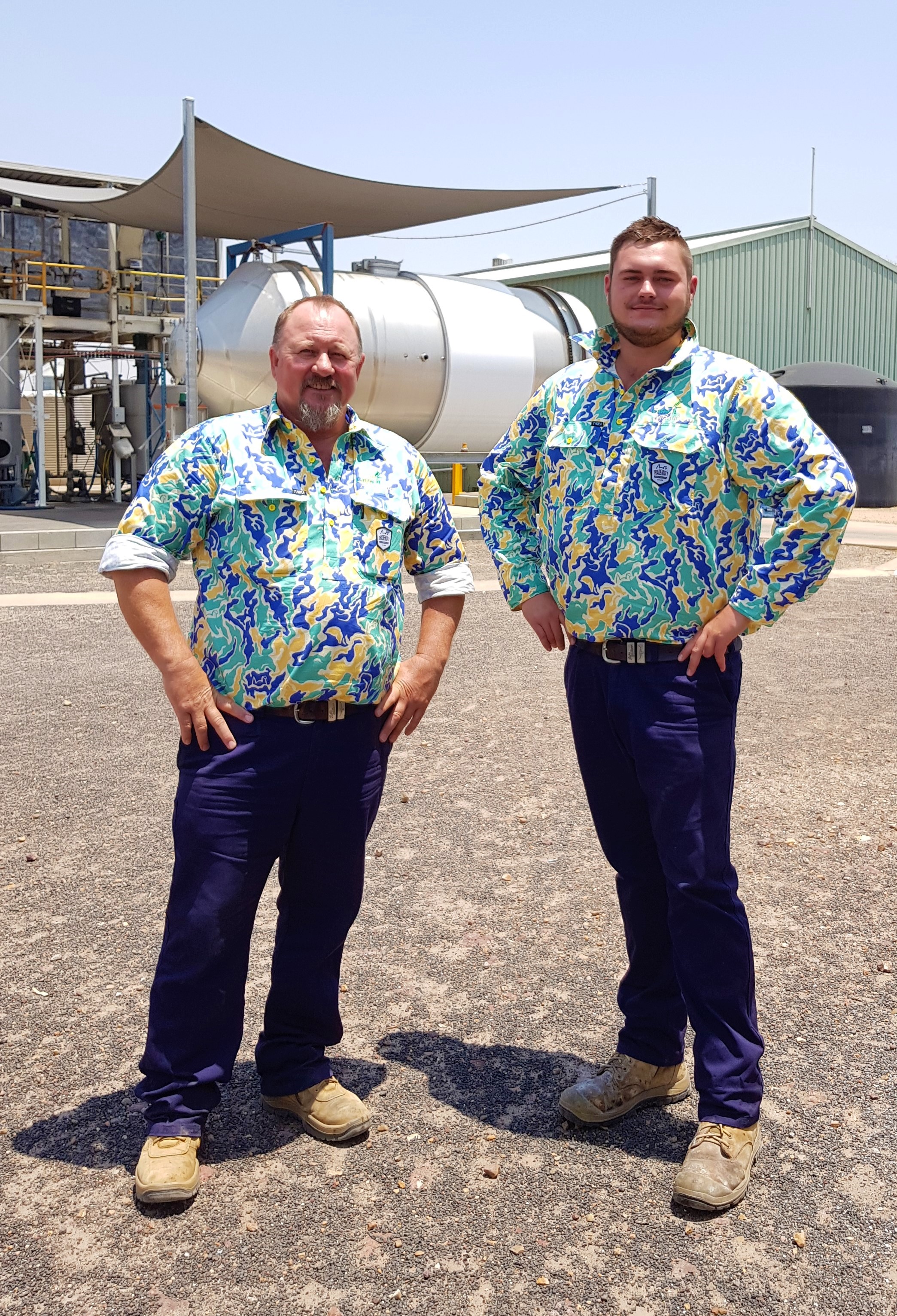
Growth Agriculture team at the Goondiwindi facility

"Small enough to care, large enough to make a global difference."

Manufacturer Wholesaler Distributor
Foliar nutrition

World-class liquid plant nutrition to maximise yield and quality

Biological IPM

Protecting crops without compromising biodiversity or the bees

Committed to Australia

100% Australian owned, operating from Goondiwindi QLD

Grown from the ground up

Growth Agriculture has been manufacturing, exporting and distributing agricultural products since 1992 - building a focused portfolio around foliar nutrition and Integrated Pest Management (IPM).

We're a small Queensland company with a straightforward belief: Australian producers deserve partners who actually understand the land, not just the product catalogue.

Our philosophy

Sustainable and environmentally acceptable agriculture practices are at the forefront of everything we do. We aim to develop products that enhance food and fibre production while protecting the land for future generations.

Our objectives

We proactively seek out innovations that aid in environmentally acceptable production, source products that maintain or improve land management practices, and provide growers with the information they need to succeed.

Who we work with

From the paddock to the distribution network - our products, data, and people are available to support you at every level.

01

Growers

From broadacre cropping and intensive horticulture to cotton and mixed farming - our products are designed for the realities of Australian production. Better inputs, better margins, healthier soils.

  • Proven in Australian field conditions
  • Cost-effective per-hectare rates
  • Organic-certified options available
02

Agronomists

We back every recommendation with data. Trial reports, mode-of-action documentation and research papers are all available - because your advice needs to be defensible.

  • Independent trial data available
  • Dedicated technical support
  • Approved for use with conventional programs
03

Product resellers

We partner with distributors and rural resellers who are serious about quality. Our niche product range differentiates your offering and carries real market demand.

  • Wholesale supply arrangements
  • Marketing & technical support
  • Exclusive category positioning
04

Corporate & institutional

Agricultural corporates, food businesses, and institutions looking to document environmental responsibility will find a valuable partner in Growth Agriculture. We support ESG objectives with products that genuinely reduce environmental impact.

  • Supply chain sustainability support
  • R&D collaboration opportunities
  • APVMA-registered biological inputs

Products we manufacture

More than 30 years developing and manufacturing cost-effective inputs for Australian agriculture - from soil fertility to botanical pest control.

Integrated Pest Management

Sero-X®

The next generation of botanical bio-pesticide. APVMA registered, organic certified, 100% safe for bees and pollinators, and proven to control a broad spectrum of insect pests and diseases.

APVMA Registered Bee safe Organic IPM
Learn more

Research & development

We punch well above our weight in R&D expenditure. From the world's first peptide-based botanical bio-pesticide to biological nitrogen replacement trials, our science is field-proven and peer-reviewed.

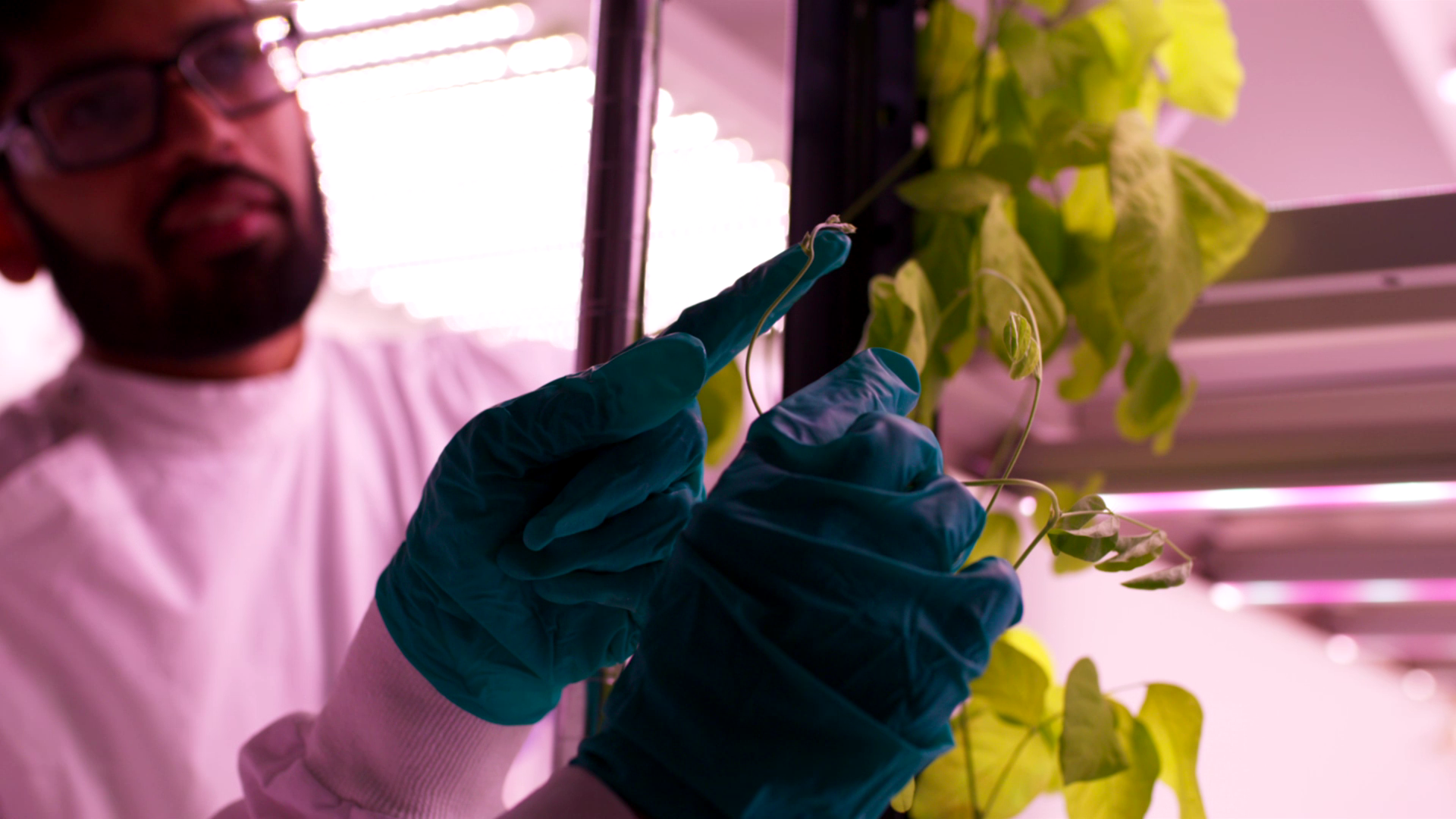
Growth Agriculture research scientist examining plant specimens
Visit Our Data Hub
World-first

Sero-X® - a breakthrough 20 years in the making

Developed in collaboration with research institutions including Southern Cross Plant Science, the University of Queensland, the University of Western Sydney, and the NSW Department of Primary Industries.

Sero-X is a world-first plant-extract bio-pesticide containing a revolutionary set of peptides called cyclotides as its primary active compounds. It is non-toxic to mammals, beneficial insects, and 100% safe for bees and pollinators - while controlling a broad spectrum of insect pests.

NEW: Research and Supply Permit PER93075 - contact us to find out if your operation qualifies.

Learn more about Sero-X®
Long-Term Trials

Liquid Blood & Bone as a partial nitrogen replacement

Intensive agriculture has become reliant on synthetic inputs such as Urea. The effect of these traditional fertilisers on soil biology can be detrimental - and costly to reverse.

Our long-term field research into B&B Superfine as a biological partial nitrogen replacement demonstrates improved soil biology, competitive yields, and reduced long-term input costs.

View trial results
Collaborative Science

Research partnerships & institutional collaboration

Our R&D is conducted alongside some of the world's most reputable scientists from industry-leading institutions. We believe in transparent, independent, replicable research - and sharing those results with growers and agronomists who need them.

Technology & evidence hub

10,000 years of feeding the soil

From the first handful of ash on a Neolithic plot to a paddock of B&B Superfine, the story of fertiliser is a long conversation with the ground. Fourteen milestones, four eras, one unbroken thread - ending here in Goondiwindi.

Ancient Origins c. 8000 BC – 0 AD
OriginsFertile Crescent

Ash, middens and the first farms

In Neolithic Mesopotamia, crops planted where hearth-fires burned or kitchen scraps piled up grow taller. Humanity starts returning carbon and minerals to the soil.

Organic matterObservation
c. 8000 BC
LivestockNear East & Egypt

Manure enters the rotation

Once animals are domesticated, dung is carted back to cropping ground — the oldest deliberate fertiliser on record.

ManureNitrogenClosed loop
c. 6000 BC
MilestoneNile Valley

The silt of the Nile

Annual Nile floods deposit mineral-rich silt across the valley — the first industrial-scale proof that minerals, not just manure, matter.

SiltP & KAnnual renewal
c. 3000 BC
ObservationMediterranean

Legumes & the fallow year

Greek and Roman farmers formalise crop rotation with legumes. Nobody yet knows about nitrogen-fixing bacteria, but it becomes written law in Rome's agricultural treatises.

LegumesRotationBiological N
c. 500 BC
Classical & Medieval 0 – 1700
Waste to wealthHan & Tang China

Night soil: the city fertilises the countryside

Chinese agriculture builds an entire logistics network around human waste — composted, aged, and returned to rice paddies for two thousand years.

CompostingUrban cycle
c. 200 AD
European systemMedieval Europe

The three-field system

Medieval manors divide arable ground into three — winter grain, spring grain, and fallow grazed by livestock. The workhorse of European fertility for five centuries.

RotationGrazing
c. 800 AD
Industrial Chemistry 1800 – 1960
Seabird goldPeru → the world

The guano rush

Vast cliffs of fossilised seabird droppings off Peru — 15% nitrogen and high in phosphorus — become one of the most valuable cargoes on the high seas.

GuanoConcentrated NPK
1840s
MilestoneHertfordshire, England

Superphosphate: the first manufactured fertiliser

John Bennet Lawes treats crushed bones with sulphuric acid, producing soluble phosphate fertiliser. The Rothamsted patent marks the beginning of the industrial fertiliser industry.

SuperphosphateRothamsted1842
1842
ChemistryGiessen, Germany

Liebig's Law of the Minimum

Justus von Liebig proves plant growth is limited by whichever nutrient is in shortest supply. Fertiliser becomes a diagnostic problem: find what the soil lacks, give it exactly that.

LiebigLimiting factor
1840
MilestoneLudwigshafen, Germany

Haber–Bosch: nitrogen from the air

Fritz Haber and Carl Bosch combine atmospheric nitrogen with hydrogen at industrial scale. The process today feeds an estimated half the people on Earth.

AmmoniaSynthetic N1909
1909
Global scale-upIndia, Mexico, Pakistan

The Green Revolution

High-yield grain varieties married to cheap synthetic NPK triple cereal output across the developing world in a generation. Famines recede. So, quietly, does soil biology.

NPKHigh-yieldUrea
1960s
Modern Biological 1970 – Today
ResponseGlobal

The return of the biological

As synthetic-reliant soils show salinity and microbial collapse, growers turn back to biologicals, humic acids, and foliar nutrition. Fertiliser becomes something you feed to the microbes, not just the plant.

BiologicalsSoil healthFoliar
1970s →
AustraliaGoondiwindi, QLD

Growth Agriculture opens its doors

A small Queensland company begins manufacturing agricultural inputs from the Macintyre River country. The brief: cost-effective products that respect the paddock.

Est. 1992Australian owned
1992
R&DGoondiwindi, QLD

A liquid answer to an ancient ingredient

Growth Ag renders blood and bone into a stable, superfine liquid — tank-mixable, foliar-applicable, or banded at sowing. The oldest ingredient in the newest form.

LiquidBiologicalTrace elements
2000s